Sensor
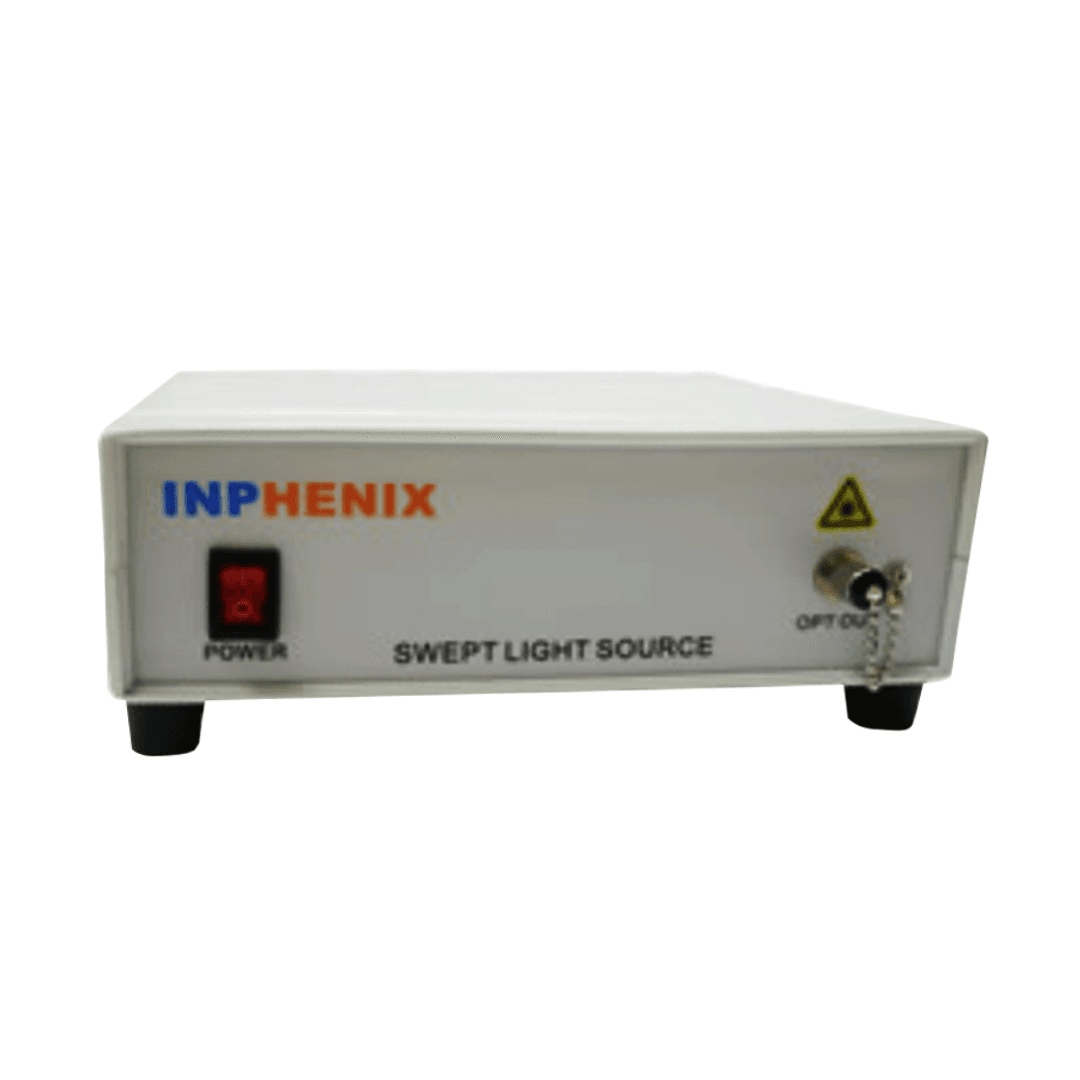
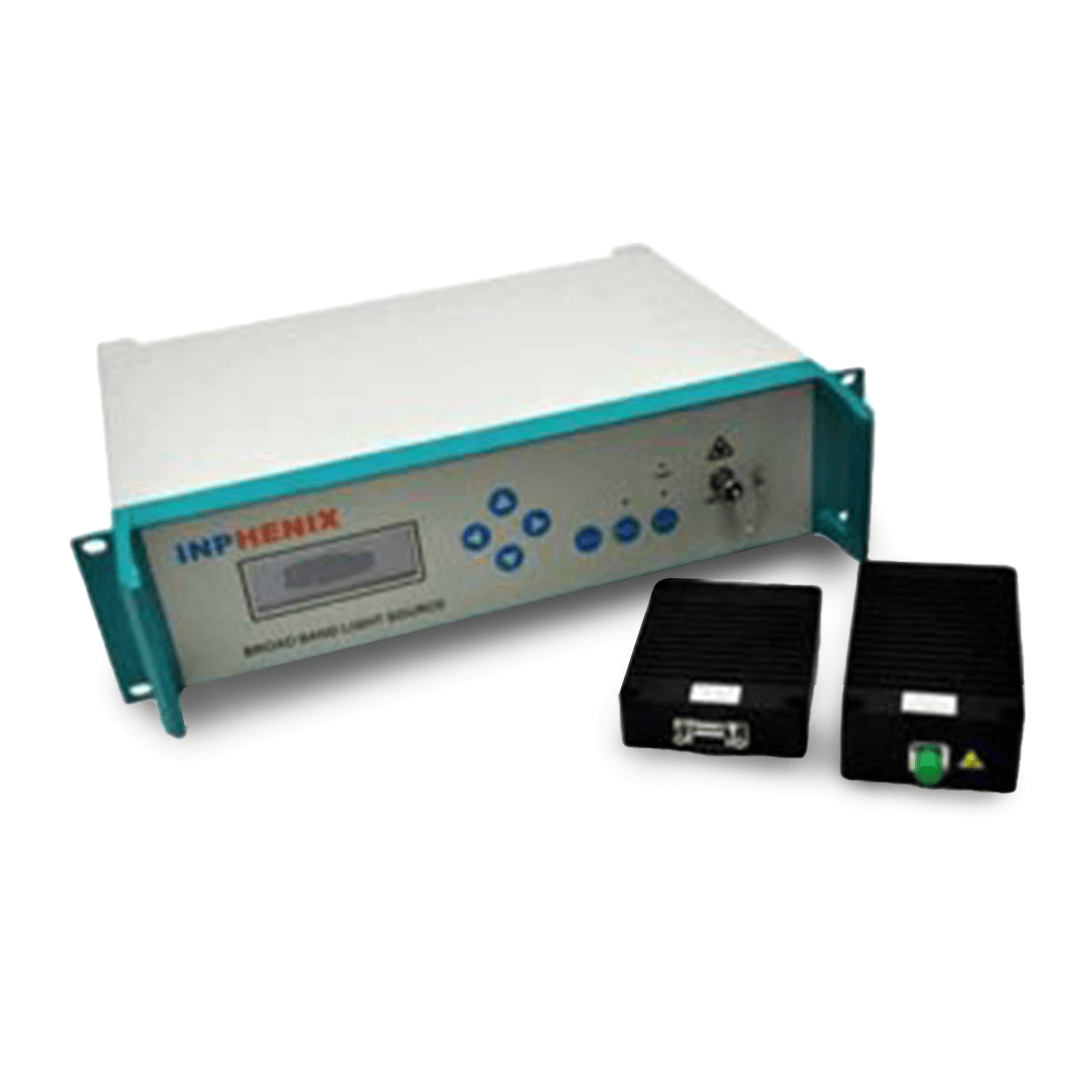
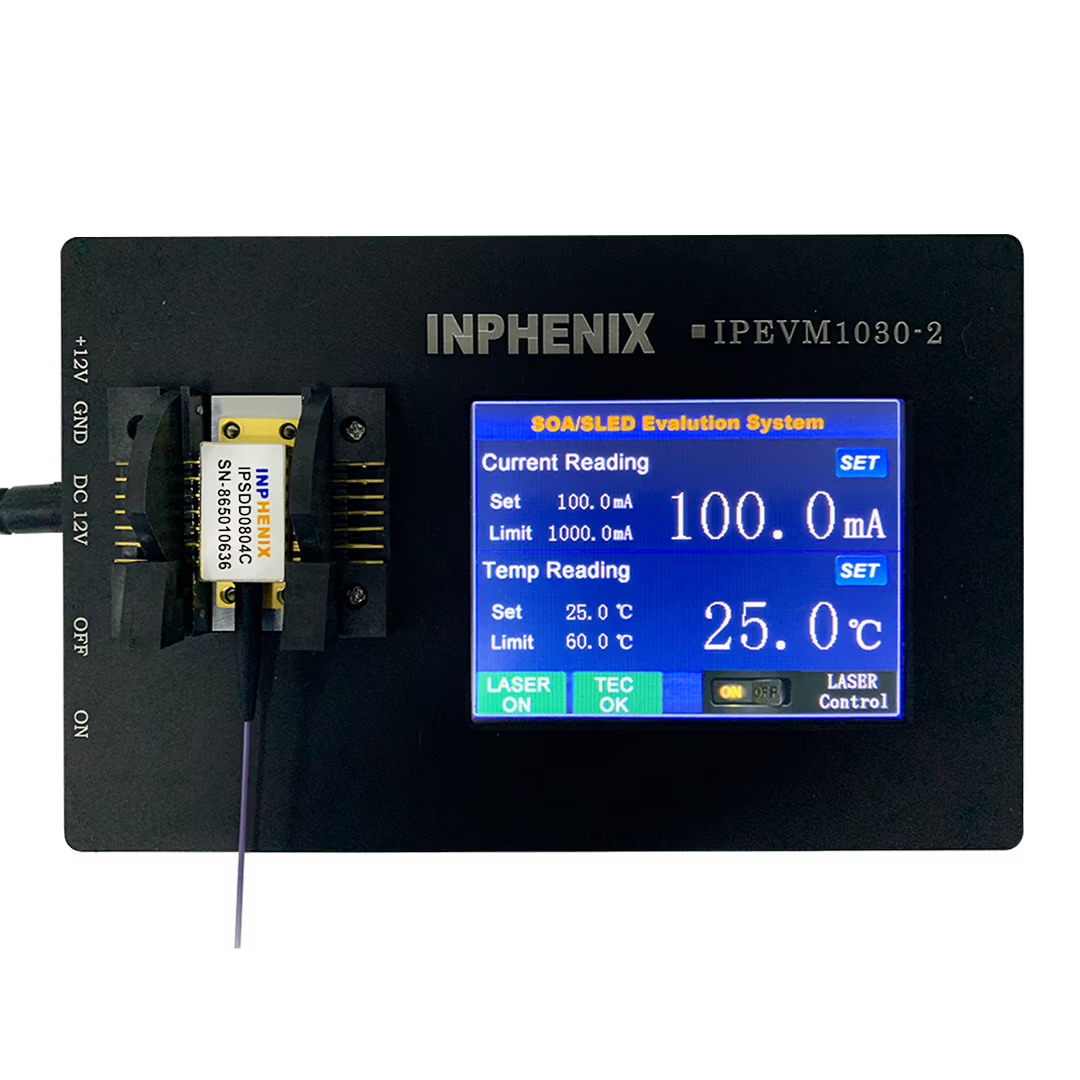
Inphenix’s light sources are used in a wide range of sensing systems ranging from fiber optic gyroscopes to current, strain and stress measurement systems.
Full Vertical Integration
Real-time monitoring
Robust performance in harsh environments
Introduction to Sensor Applications of Superluminescent Diodes (SLDs) and Semiconductor Optical Amplifiers (SOAs)
In modern sensor systems, precision in measurement and data acquisition is vital across a range of applications, including navigation systems, structural health monitoring, and other critical fields in photonics and optoelectronics. Superluminescent Diodes (SLDs) and Semiconductor Optical Amplifiers (SOAs) are key light sources that offer broad spectral output, high stability, and enhanced reliability, making them indispensable in high-precision sensor applications. These technologies are crucial for various industries such as aerospace, automotive, civil engineering, and industrial automation.
Inphenix leverages high-performance SLDs and SOAs to deliver superior data collection in applications like Fiber Optic Gyroscopes (FOGs) and current measurement systems. In this paper, we explore the working principles of SLDs and SOAs, their key sensor applications, and the features that make them ideal for high-performance sensing systems. By enhancing accuracy, precision, and dependability, these light sources ensure the optimal performance of modern-day measurement technologies.
-
Understanding the Basics of SLDs and SOAs
Superluminescent Diodes (SLDs)
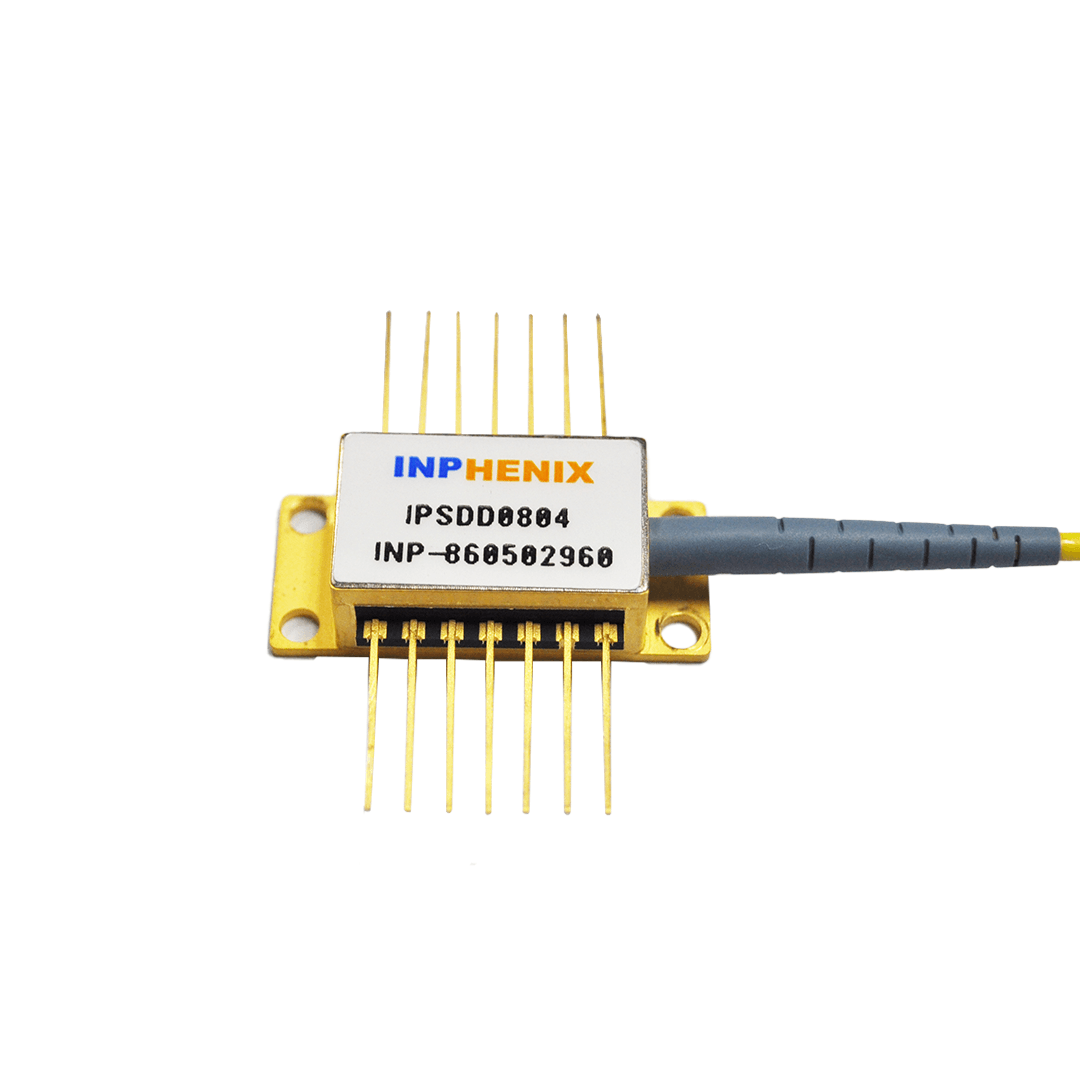
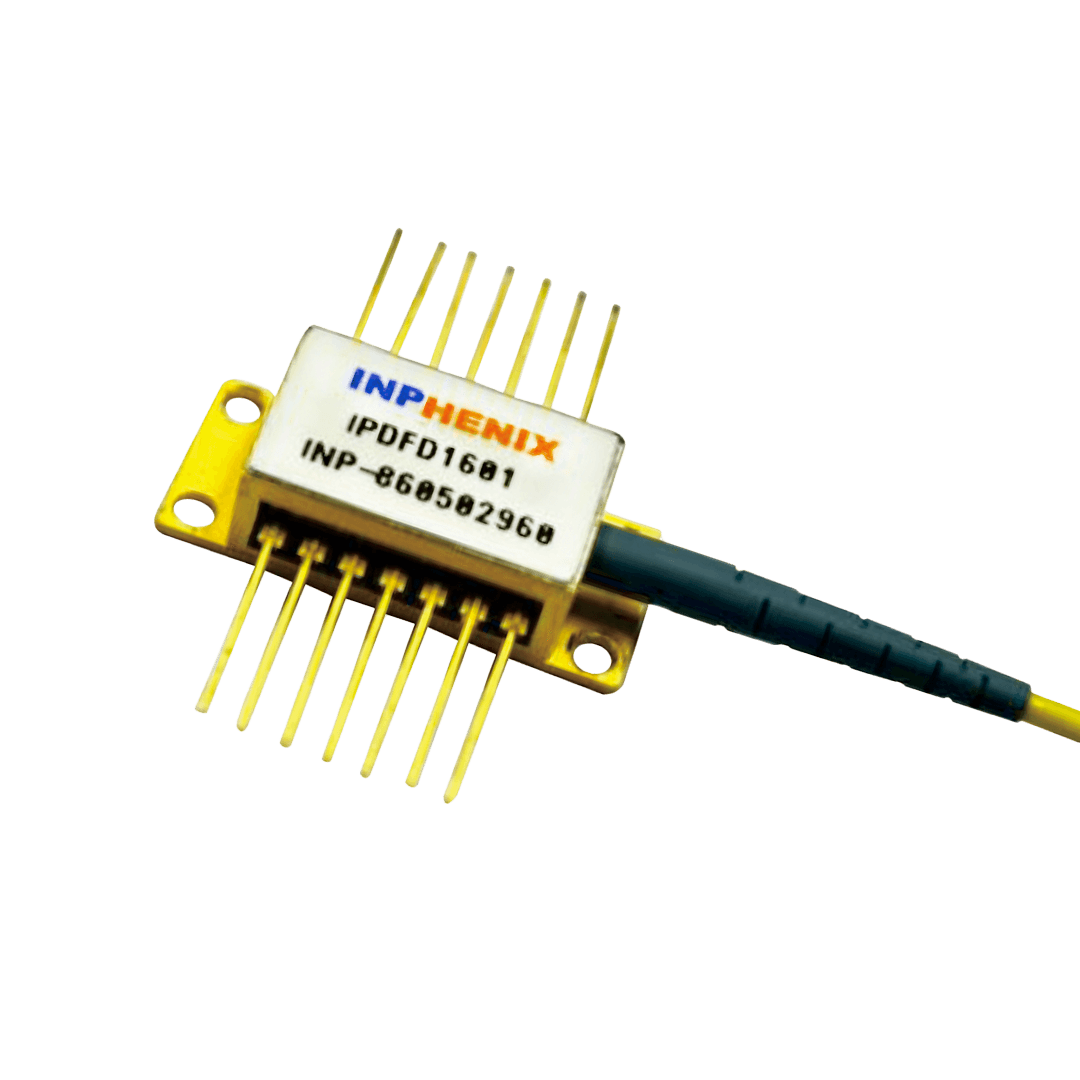
SLDs are optical light sources that combine features of laser diodes and light-emitting diodes (LEDs), producing broadband light with added coherence, spectral width, and brightness similar to lasers. SLDs generate amplified spontaneous emission (ASE) without forming a resonant cavity, preventing lasing and minimizing interference effects, making them ideal for sensor systems requiring both precision and stability. The broad spectral output of SLDs (700–1700 nm) and precise central wavelength provide flexibility for various sensing applications.
Semiconductor Optical Amplifiers (SOAs)
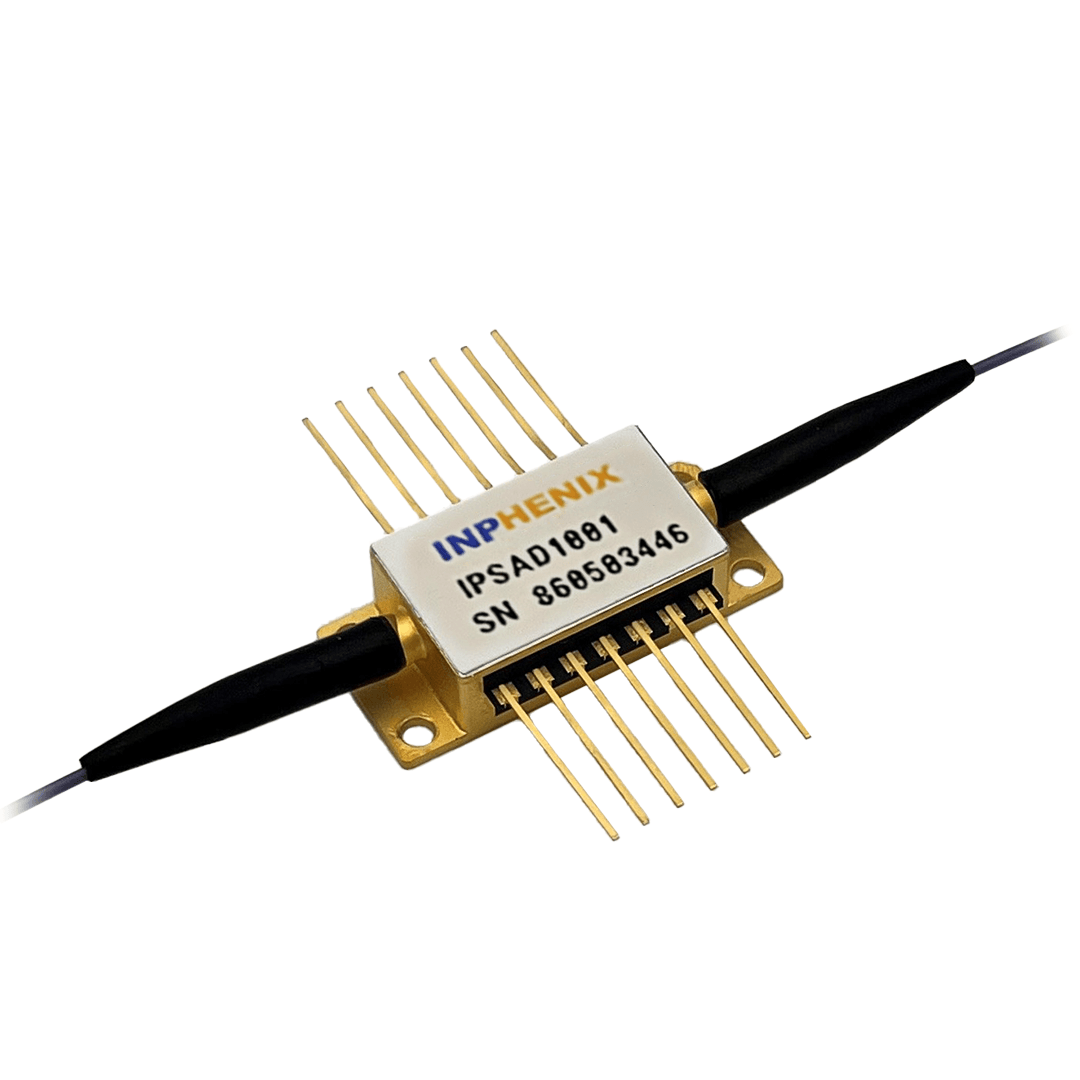
SOAs enhance optical signals via stimulated emission, boosting light signals without converting them to electrical form. SOAs are highly efficient for signal amplification in systems where maintaining signal integrity and output power is critical over long distances or in environments with light losses. Their compact size, low power consumption, and ability to amplify a wide range of wavelengths make them ideal for integration into complex sensor setups, improving measurement accuracy in demanding conditions.
-
Sensor Applications of SLDs and SOAs
SLDs and SOAs are used across a variety of sensor applications where precision, stability, and broad spectral emission are critical:
2.1 Fiber Optic Gyroscopes (FOGs)
FOGs are widely used in navigation systems for aerospace and marine applications, relying on the Sagnac effect to measure phase shifts in light beams. The performance of FOGs is heavily influenced by the light source. SLDs, with their broad spectrum and high spatial coherence, provide an ideal light source for FOGs, eliminating interference effects and maintaining high precision in dynamic environments.
SOAs further enhance FOG systems by amplifying weak optical signals, ensuring accurate detection of rotational motion, even when signals weaken due to long fiber lengths or environmental factors.
2.2 Optical Coherence Tomography (OCT)
OCT is a non-invasive imaging technology primarily used in medical diagnostics like ophthalmology, providing high-resolution images of biological tissues. SLDs, with their broad spectral output and short coherence length, deliver high axial resolution, essential for detailed tissue imaging.
SOAs can amplify weak return signals in OCT systems, improving the signal-to-noise ratio and enhancing image quality, especially when imaging deeper into biological tissues where light signals attenuate.
2.3 Strain and Stress Measurement Systems
Strain and stress measurement systems are crucial for monitoring the structural health of infrastructure like bridges and buildings. SLDs, with their stable broadband light and low interference, ensure accurate detection of minute deformations in materials.
SOAs amplify light signals in large-scale systems where light losses can occur, ensuring accurate readings even over long distances and in challenging environmental conditions.
2.4 Current Measurement Systems
In current measurement systems, optical sensors detect electrical currents by monitoring variations in magnetic fields. SLDs, with their stable output and broad spectral emission, provide the precision required for detecting small magnetic field changes in high-voltage environments.
SOAs amplify weak optical signals, ensuring accurate and reliable current measurements, making them essential in high-power transmission systems where electrical isolation is critical.
-
Key Features of SLDs and SOAs for Sensor Applications
Several key features make SLDs and SOAs indispensable for sensor applications:
- Broad Spectral Output: SLDs and SOAs offer a wide wavelength range (700–1700 nm), allowing for flexibility in choosing the optimal wavelength for various applications.
- High Stability and Precision: Both devices provide stable output and consistent measurements, essential for long-term monitoring in sensor systems.
- Rugged Packaging: Designed to withstand harsh environments, these components are ideal for industrial and field applications, ensuring reliability under extreme conditions like temperature fluctuations and mechanical stress.
- Compact Size and Low Power Consumption: SOAs are particularly valued for their compact design and low power usage, making them ideal for portable or space-constrained systems.
- Long Lifetimes: The long operational life of SLDs and SOAs reduces the need for frequent replacements, ensuring cost-effectiveness and long-term reliability.
-
Conclusion
Superluminescent Diodes and Semiconductor Optical Amplifiers are essential in modern sensor systems, offering broad spectral output, high stability, and the precision needed for accurate data collection. Their role in applications like Fiber Optic Gyroscopes, Optical Coherence Tomography, strain measurement, and current sensing highlights their versatility and importance in improving the accuracy and efficiency of modern sensing systems.
As sensor technology advances, the importance of SLDs and SOAs will continue to grow, addressing the increasing demand for higher precision and longer operational lifetimes. With companies like Inphenix driving innovation in optical sensing, these technologies are set to play a pivotal role in advancing safety, efficiency, and performance across multiple industries.